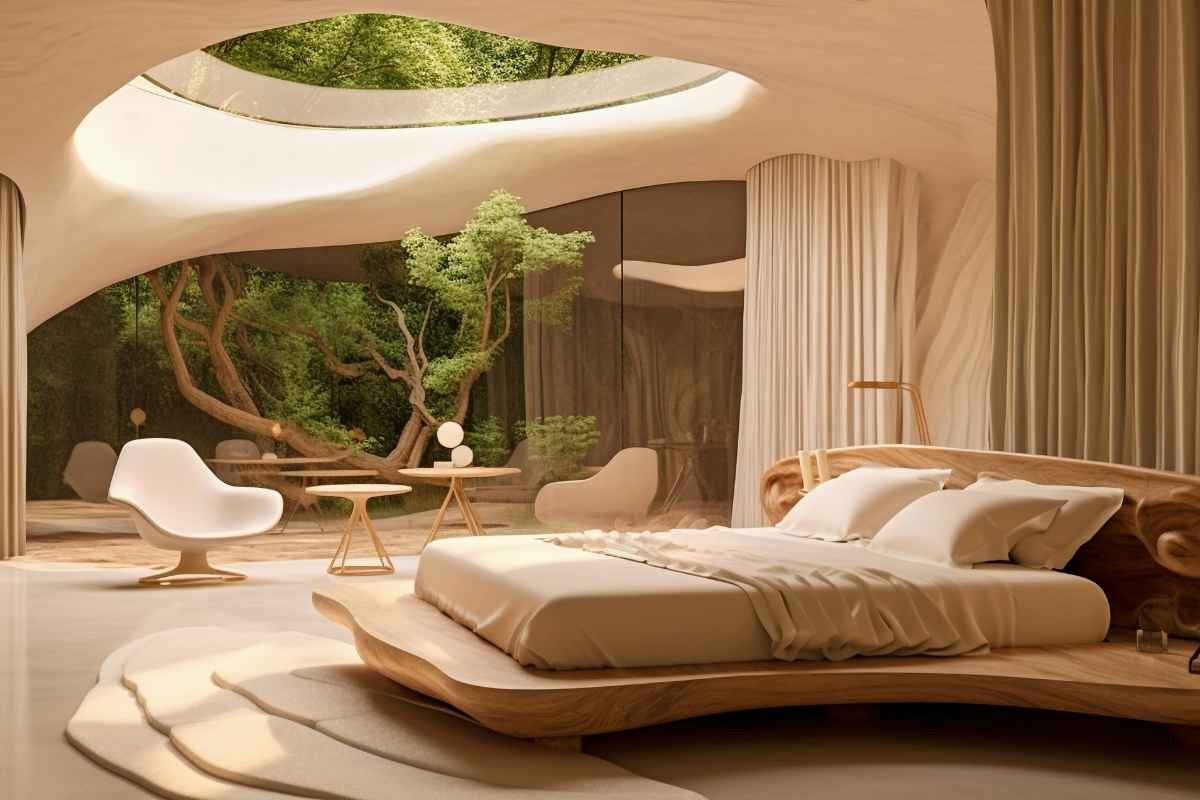
A spacious master bedroom can be more than just a place to sleep—it can become a peaceful retreat where you can unwind at the end of the day. With plenty of room to work with, you can combine comfortable furniture, soft textures, elegant lighting, and thoughtful decor without making the space feel crowded.
The key is to create a balanced layout that feels open while still offering warmth and personality. From a statement bed and cozy seating area to layered bedding, neutral colors, and beautiful accent pieces, every detail can contribute to a relaxing atmosphere. Whether you love a modern, classic, or effortlessly elegant style, these spacious master bedroom ideas will help you make the most of your room while creating a luxurious and inviting space you’ll enjoy every day.
1. Choose a Statement Bed
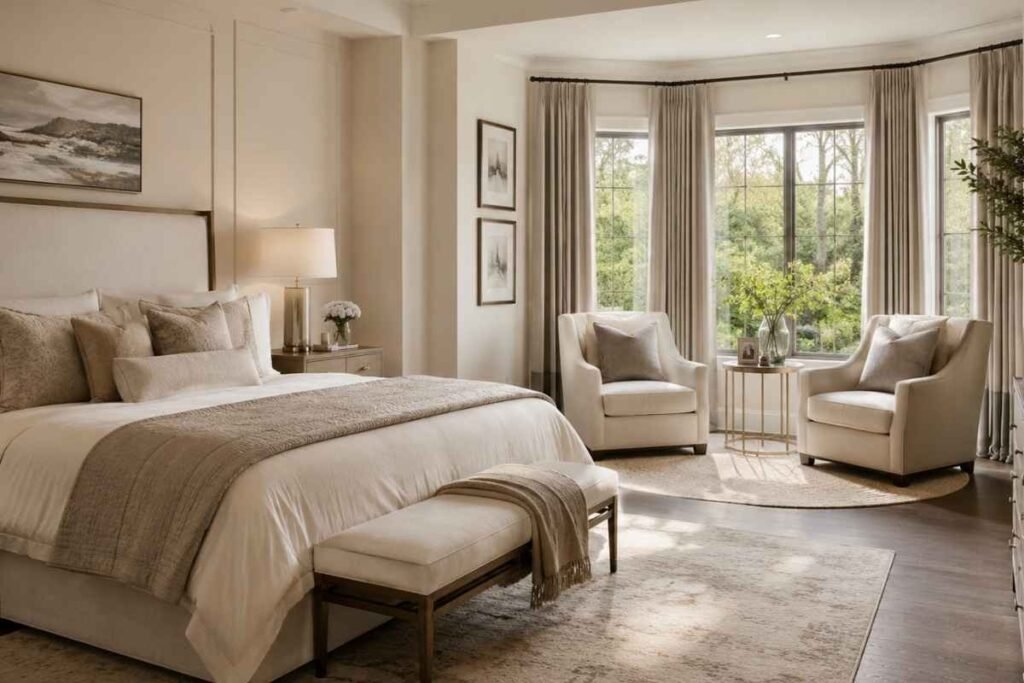
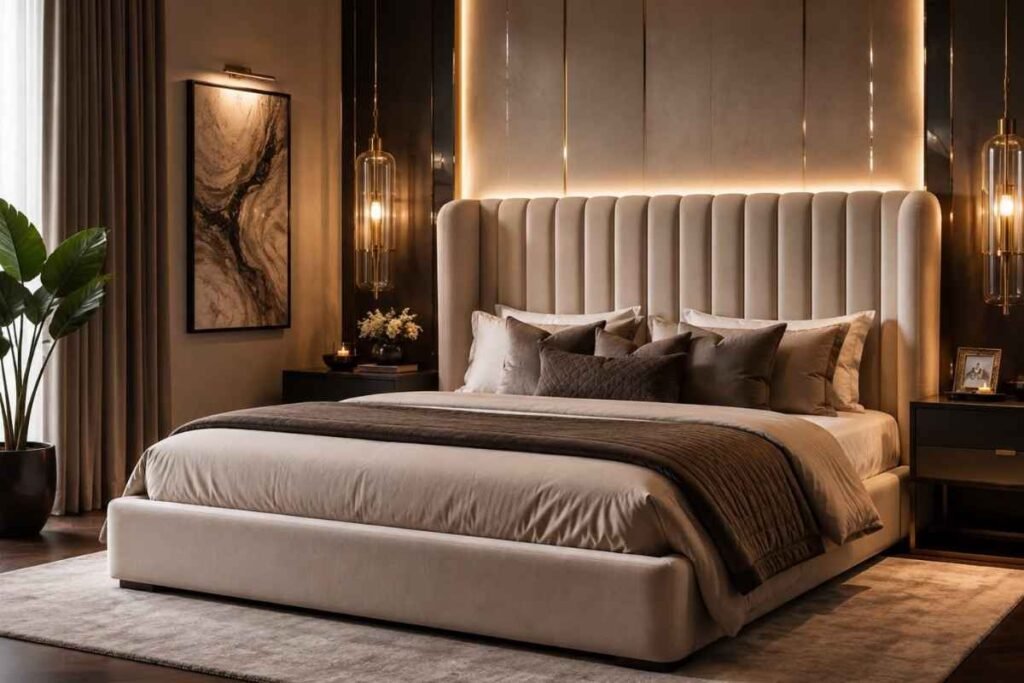
In a large master bedroom, the bed can help define the scale and character of the entire space. Instead of choosing an ordinary frame, look for a design with architectural detail, such as a tall upholstered headboard, curved silhouette, or elegant wood finish. A king-size bed often works beautifully in a generous room because it fills the space without looking cramped. Position it where it has enough visual breathing room and can be seen clearly when entering the bedroom. You can also use the wall behind the bed to create more impact with subtle molding, wallpaper, or oversized artwork. Keep the surrounding furniture simple so the bed remains the natural centerpiece. This approach gives the bedroom a polished, well-proportioned appearance while making the sleeping area feel intentional and inviting.
2. Create a Comfortable Seating Area
If your master bedroom has extra floor space, turn an unused corner into a comfortable seating area. Two accent chairs with a small side table can create a simple place to read, relax, or enjoy a morning coffee. For a larger room, you could choose a small upholstered bench, chaise lounge, or compact sofa placed near a window. Keep the furniture proportional to the size of the room so the area feels intentional rather than empty. A soft rug underneath the seating can help visually define the space and add warmth. Choose fabrics and colors that coordinate with the bed and surrounding furniture. This small addition can make a spacious bedroom feel more functional while giving the room the comfortable, retreat-like atmosphere many homeowners want.
3. Layer Soft, Natural Textures
Large bedrooms can sometimes feel cold when they contain too many hard surfaces, so adding different textures is an easy way to make the space feel warmer. Start with soft bedding and add a woven throw, textured pillows, and a plush area rug. Natural materials such as linen, cotton, wool, wood, and woven fibers can give the bedroom a relaxed and sophisticated character. You can also introduce texture through an upholstered headboard, fabric curtains, or a softly padded bench. Try combining materials rather than using too many decorative objects. For example, smooth wood furniture can look beautiful next to textured bedding and a woven rug. These subtle layers create visual depth while keeping the overall design simple, comfortable, and refined.
4. Use Warm, Layered Lighting
Lighting can completely change the mood of a spacious master bedroom. Instead of relying on one central ceiling fixture, combine several sources of light throughout the room. Bedside lamps provide practical lighting for reading, while wall sconces can add an elegant decorative element. A pendant or chandelier above the bed can create a beautiful focal point, especially in a bedroom with high ceilings. Floor lamps can also work well beside a seating area. Choose warm-toned bulbs to create a softer atmosphere in the evening. Dimmable lighting is particularly useful because it allows you to adjust the brightness depending on the time of day. By layering different types of lighting, you can make a large bedroom feel cozy and inviting while maintaining its sophisticated appearance.
5. Keep the Color Palette Calm
A spacious bedroom does not need bold colors everywhere to feel interesting. A calm, neutral palette can create a timeless foundation that makes the room feel peaceful and sophisticated. Warm white, cream, beige, taupe, soft gray, and muted earthy tones are excellent choices for walls and larger furniture. You can then introduce subtle contrast through darker wood, brushed metal, patterned pillows, or artwork. Keeping the main colors consistent also helps the room feel visually connected, especially when it includes separate sleeping and seating areas. If you want more personality, choose one accent color and repeat it through small details such as cushions, curtains, or decorative objects. This approach creates a polished bedroom that feels spacious, relaxing, and easy to update over time.
6. Add a Large Area Rug
A large area rug can make a spacious master bedroom feel more grounded and comfortable. Rather than choosing a small rug that disappears beneath the furniture, select a size that extends well beyond the sides of the bed. This creates a soft surface around the sleeping area and helps visually connect the furniture. Neutral rugs with subtle patterns work especially well in elegant bedrooms because they add texture without competing with the rest of the design. Materials such as wool or soft woven fibers can provide warmth and comfort underfoot. If the room already has several decorative elements, choose a simple rug in a muted shade. For a more minimal bedroom, a gently patterned rug can introduce interest. The right rug can make a large bedroom feel more cohesive and inviting.
7. Add Elegant Decorative Details
The finishing touches can give a spacious master bedroom its personality without making it feel cluttered. Instead of decorating every surface, choose a few pieces that have a clear purpose or visual impact. An oversized piece of artwork above the bed, a sculptural lamp, a decorative mirror, or a simple vase can add character while maintaining a clean appearance. A bench at the foot of the bed can provide both style and function, while a small tray on the nightstand can keep everyday items organized. Natural elements such as fresh flowers or simple branches can also bring softness into the room. Focus on quality and balance rather than quantity. A few thoughtfully chosen accents will make the bedroom feel finished, sophisticated, and comfortable without taking away from its spacious layout.
8. Keep the Layout Open and Balanced
One of the most important parts of designing a spacious master bedroom is maintaining a comfortable flow throughout the room. Avoid filling every empty corner with furniture simply because there is space available. Instead, choose pieces that serve a purpose and leave enough room for easy movement around the bed and seating areas. Place larger furniture against the walls where possible and keep pathways clear. Symmetry can also help create a balanced appearance, especially around the bed with matching nightstands or lamps. If the bedroom is particularly large, divide it into functional zones such as sleeping, reading, and dressing areas. This makes the room feel organized without closing it in. A thoughtful layout allows the bedroom to feel open, calm, luxurious, and comfortable at the same time.
Final Thought
A large master bedroom gives you plenty of room to make the space work for your lifestyle. Think beyond the bed and consider what would make your everyday routine more comfortable—a cozy chair for morning coffee, a bench for getting ready, or a simple corner for winding down at night. Keep the furniture in proportion to the room, give each piece some breathing room, and avoid adding decor just to fill empty space. A few well-chosen pieces can make a much stronger impact than a room packed with furniture and accessories. The best master bedroom is one that looks polished but still feels easy, comfortable, and lived-in.