
A minimalist home doesn’t have to feel boring or empty. 🤍 It’s all about choosing the right pieces, keeping things simple, and giving your space room to breathe. These easy do’s and don’ts will help you create a home that feels clean, cozy, and effortlessly stylish. ✨
1. DO: Keep Only What Serves a Purpose

Minimalism starts with intentional choices. Keep furniture and décor that you genuinely use, need, or love rather than filling empty spaces simply because they look bare. A comfortable sofa, practical coffee table, useful lighting, and one meaningful decorative piece can be enough. The goal is not to own nothing, but to make every element feel considered. This approach creates clearer sightlines and allows the architecture and best pieces in the room to stand out.
2. DON’T: Make the Room Feel Empty or Uncomfortable

A minimalist interior should feel calm, not unfinished. Removing too much furniture, artwork, texture, or useful storage can make a room feel cold and impractical. Instead of treating minimalism as an empty-room challenge, focus on creating a comfortable space with breathing room. A few carefully selected materials, soft textiles, and functional furnishings can provide warmth while keeping the overall design restrained.
3. DO: Use a Cohesive Neutral Palette

A restrained color palette makes minimalist interiors feel visually connected. Soft white, cream, beige, greige, taupe, and natural wood can work beautifully together without making the space monotonous. You can also introduce a deeper accent through artwork, furniture, or a small decorative object. Keeping the number of dominant colors limited helps prevent visual noise and makes the room feel more intentional.
4. DON’T: Fill Every Surface With Decor
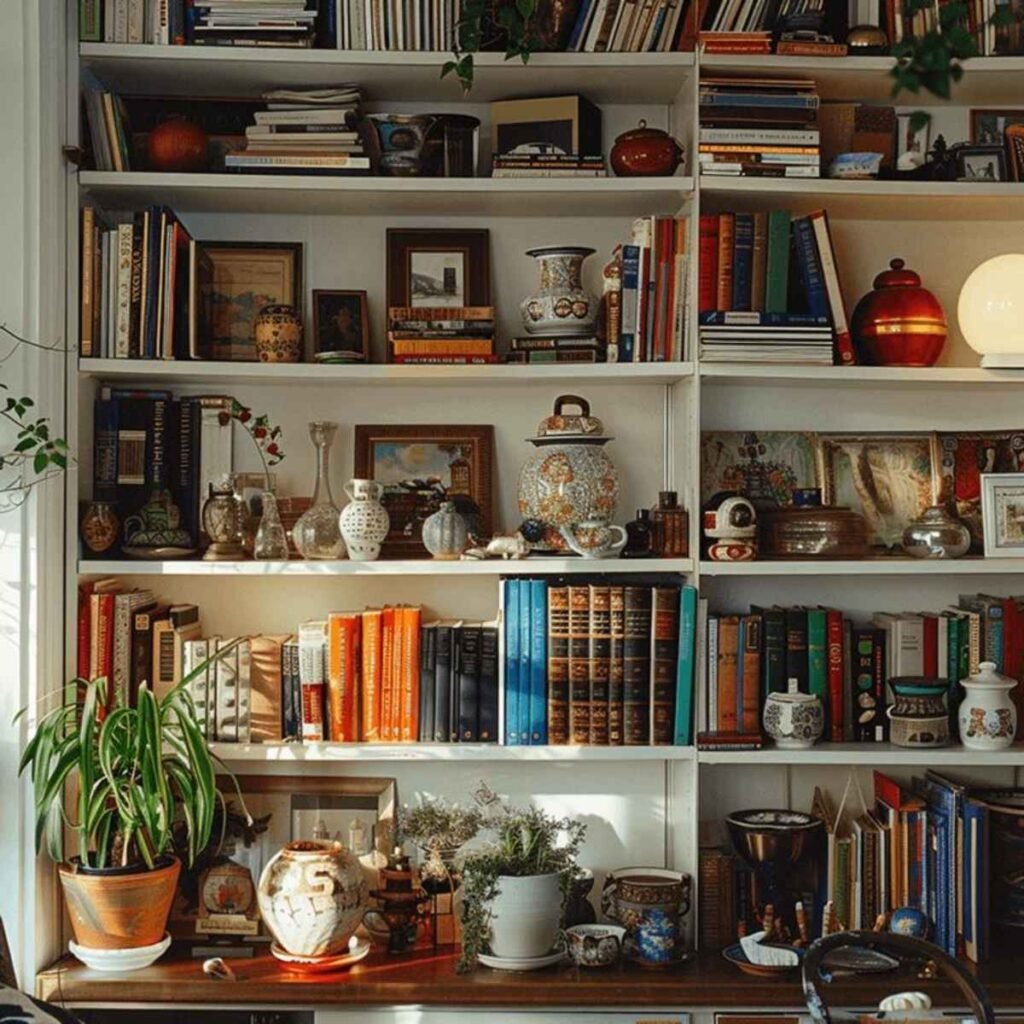
One of the easiest ways to lose a minimalist look is by decorating every available surface. Multiple vases, stacks of books, small sculptures, candles, trays, and accessories can quickly compete for attention. Instead, edit your displays. Leave portions of shelves, countertops, and tables completely clear, then give a few favorite pieces enough space to become noticeable. Negative space is part of the design rather than wasted space.
5. DO: Choose Furniture With Clean, Simple Forms

Furniture has a major influence on how minimalist a room feels. Look for uncomplicated silhouettes, clean edges, simple upholstery, and proportions that suit the room. A streamlined sofa, uncomplicated dining table, or low-profile bed can create a strong foundation without requiring excessive decoration. Pay attention to scale too—minimalism depends on visual balance, so furniture that is dramatically oversized or undersized can disrupt an otherwise simple layout.
6. DON’T: Buy Furniture Just to Fill Empty Space

An empty corner does not automatically need a chair, table, cabinet, or plant. Before adding something, consider how the space functions and whether the new piece improves the layout. Overfurnishing makes circulation harder and removes the open feeling that gives minimalist interiors their character. Sometimes the most effective design decision is simply leaving a corner untouched.
7. DO: Add Texture Instead of Excess Decoration

If your minimalist room feels flat, texture can add depth without adding clutter. Combine materials such as natural wood, linen, wool, stone, cotton, woven fibers, or softly textured upholstery. A textured rug beneath a simple sofa or linen curtains beside smooth walls can create subtle contrast. This is particularly useful in neutral interiors because the variation comes from material and light rather than a large collection of colors and patterns.
8. DON’T: Rely on a Single Harsh Light

Beautiful furniture can lose its impact under one bright overhead fixture. Minimalist interiors benefit from layered lighting that creates different levels of illumination. Combine natural daylight with ceiling lighting, a floor lamp, table lamp, pendant, or concealed lighting where appropriate. Softer evening illumination can also make neutral materials feel warmer and more inviting.
9. DO: Invest in Smart, Hidden Storage

Good storage is one of the secrets behind a polished minimalist home. Closed cabinets, built-in wardrobes, storage benches, drawers, and concealed compartments keep everyday items accessible without leaving visual clutter everywhere. Think about where frequently used objects will live before buying furniture or décor. When everything has a practical place, surfaces stay clearer and maintaining the minimalist look becomes much easier.
10. DON’T: Leave Everyday Clutter in Plain Sight

Visible chargers, tangled cords, random paperwork, shopping bags, toiletries, and miscellaneous objects can quickly interrupt an otherwise calm interior. You do not need to hide everything obsessively, but frequently used items should have designated storage. Use drawers, baskets, cabinets, cable management, and attractive organizers to keep practical necessities under control while allowing the room’s main design features to remain visible.
11. DO: Create One or Two Strong Focal Points
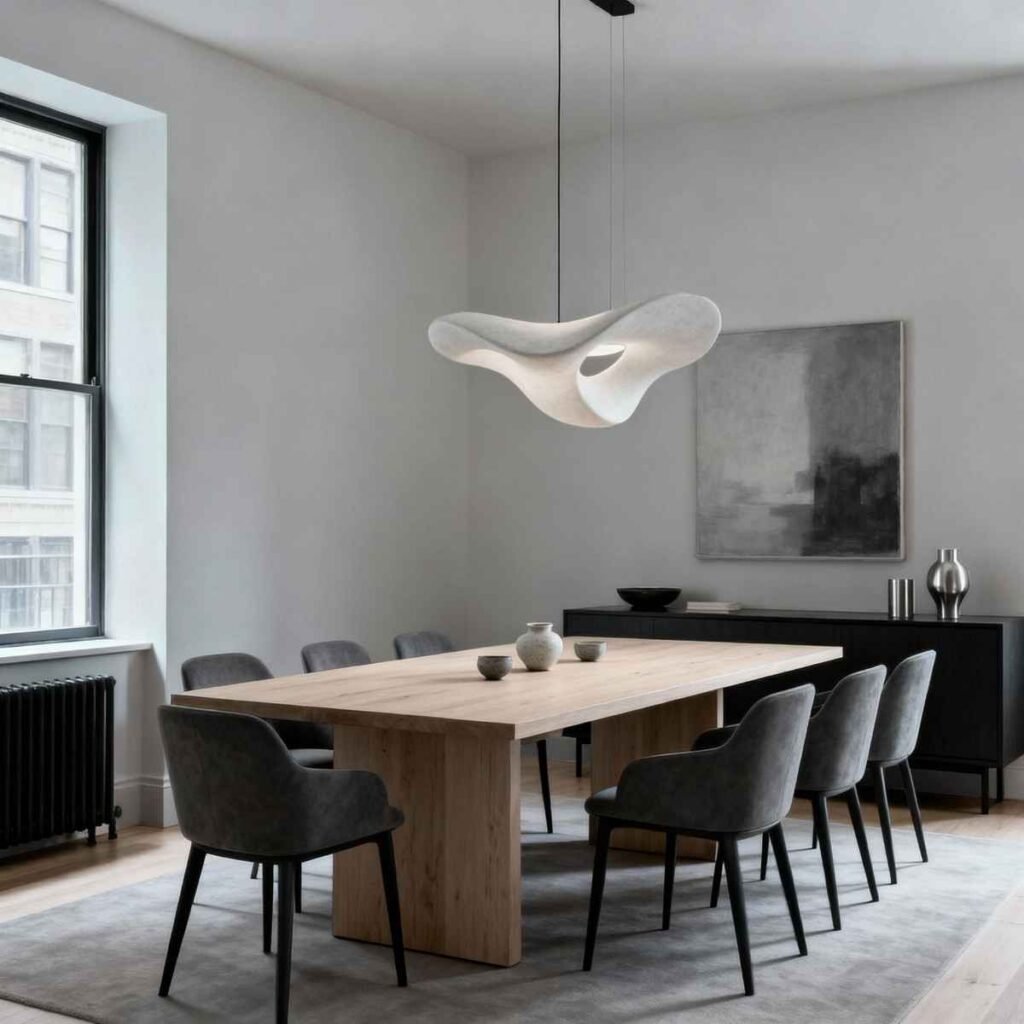
Minimalism does not mean every element has to be visually quiet. A large piece of artwork, sculptural light, distinctive chair, beautiful stone surface, or architectural feature can become the star of the room. The key is restraint around it. When fewer competing objects surround a focal point, its shape, texture, and craftsmanship become much more noticeable.
12. DON’T: Use Too Many Patterns and Accent Colors

Minimalist interiors can absolutely include pattern and color, but too many competing choices can weaken the calm visual rhythm. If you love a patterned rug, let it become the main statement and keep surrounding textiles simpler. Likewise, one carefully chosen accent color can have more impact than several unrelated shades. Think of color and pattern as highlights rather than the entire composition.
13. DO: Leave Plenty of Negative Space
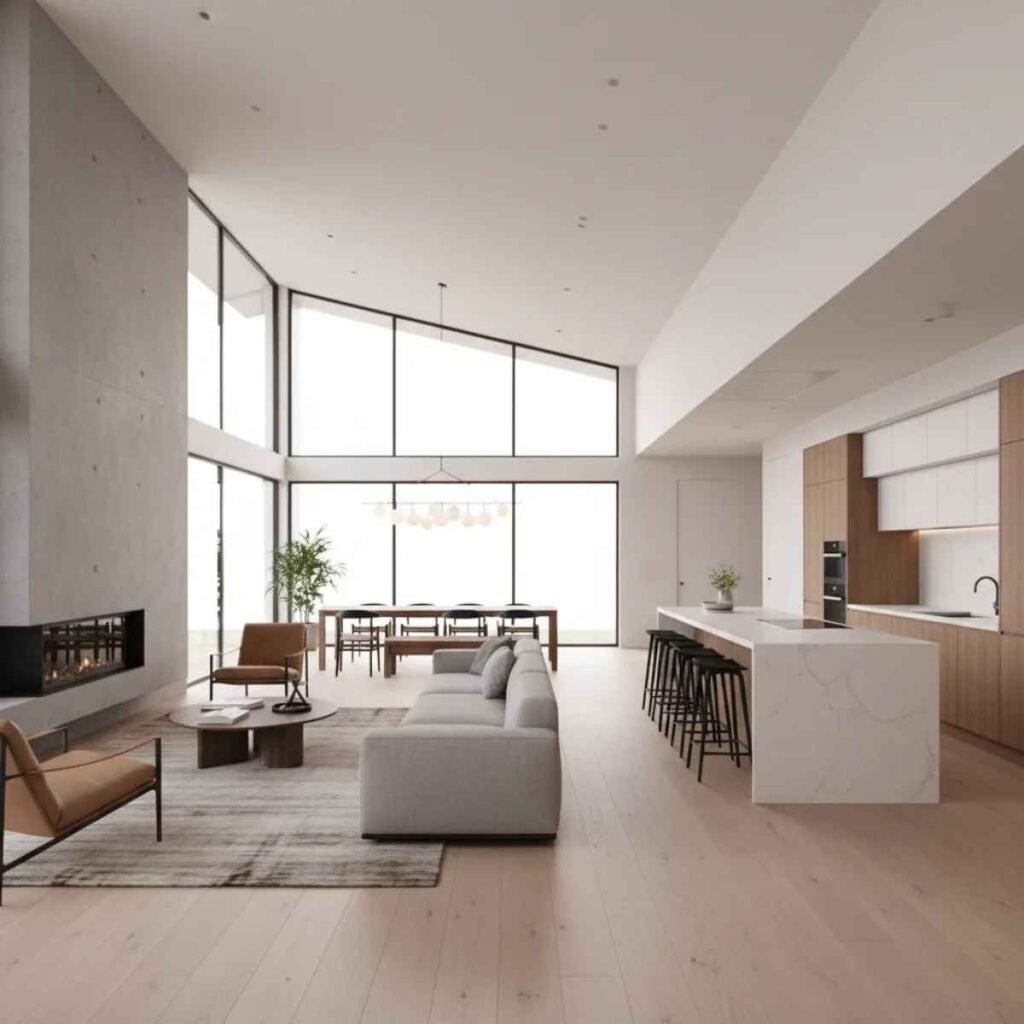
Empty space is one of the most important visual tools in minimalist interiors. It gives furniture and artwork room to breathe, improves the sense of openness, and allows the eye to rest. Instead of asking how you can decorate an empty wall or corner, first consider whether leaving it open creates better balance. Intentional space can make even a simple piece of furniture feel more significant.
14. DON’T: Confuse Minimalism With a Lack of Personality

A minimalist home should still look like someone lives there. Completely removing personal photographs, artwork, books, treasured objects, or meaningful details can make the space feel generic. Choose a few things that genuinely represent your taste instead of displaying everything you own. One framed photograph, a favorite artwork, a handmade ceramic piece, or a small collection can add personality while keeping the overall room beautifully edited.
15. DO: Prioritize Quality Over Quantity

When there are fewer pieces in a room, each one becomes more noticeable. This makes quality, proportion, finish, and durability especially important. Rather than buying several inexpensive accessories, consider choosing one well-made lamp, a comfortable sofa, a beautiful rug, or a timeless wooden table. The result feels more deliberate and refined because the room’s visual identity comes from carefully selected pieces rather than quantity.
16. DON’T: Follow Every Minimalist Trend

Minimalism works best when it reflects your lifestyle rather than a temporary design trend. You do not need to replace everything whenever a new furniture shape, color, or décor trend becomes popular. Choose simple pieces that can work with your home for years and add personality through smaller elements that are easier to change. A timeless foundation gives you more flexibility while keeping the interior visually calm.