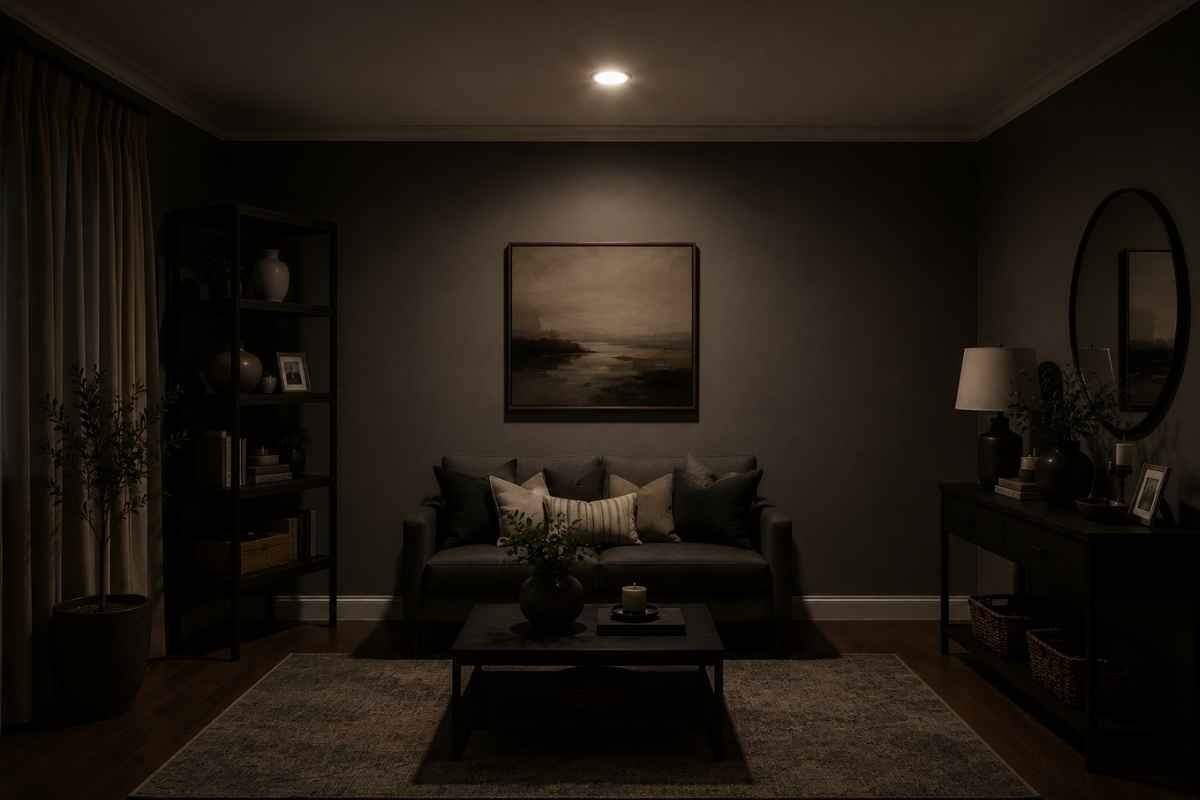
Your home can look stylish and expensive without expensive furniture or a major renovation. Sometimes, it’s not what you add to a room but the small decorating mistakes you make that affect the overall look. The good news is that most of these mistakes are easy to fix with a few thoughtful changes.
Whether you’re decorating a living room, bedroom, entryway, or your entire home, paying attention to color, scale, lighting, and styling can make a noticeable difference. Here are 7 common home decor mistakes that can make your home look cheap—and simple ways to fix them.
1. Using Too Many Different Colors
Using too many unrelated colors is one of the easiest ways to make a room feel messy or less polished. When furniture, cushions, artwork, rugs, curtains, and decorative accessories all have completely different shades, the eye has no clear place to rest.
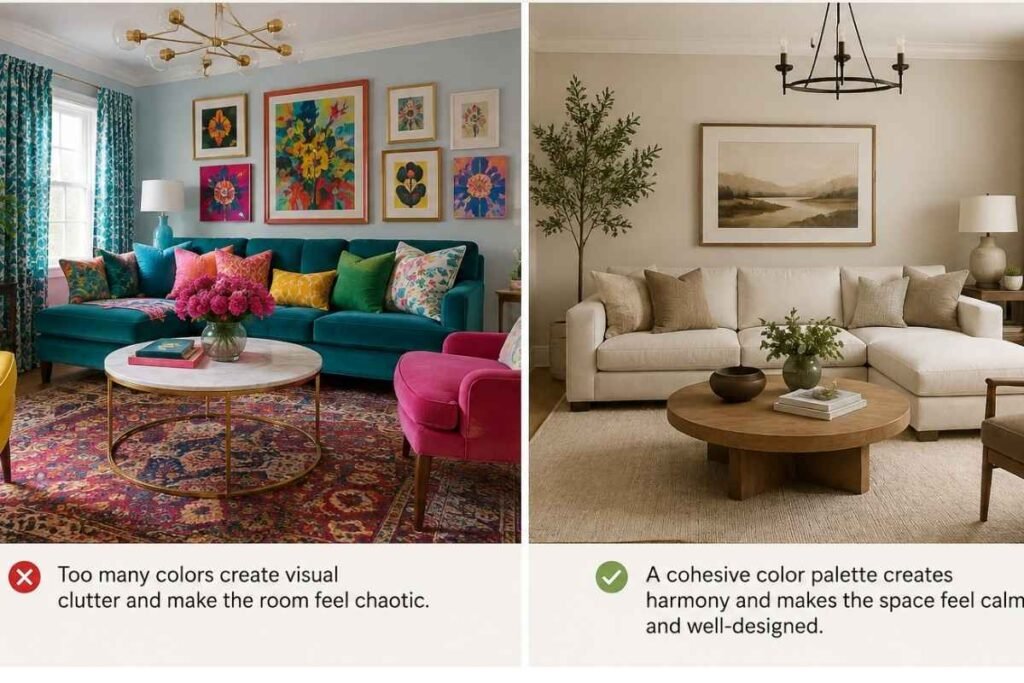
Even beautiful pieces can look disconnected when there is no consistent color story throughout the space. This doesn’t mean your home needs to be completely neutral or boring. A few carefully chosen colors can actually make a room feel much more sophisticated. The key is to repeat similar shades throughout the space so everything feels connected. Soft neutrals such as warm white, beige, taupe, and muted brown are especially easy to combine and can create a calm, timeless interior.
How to Fix It:
Choose a simple three-color palette. Start with one main neutral, add a secondary shade, and finish with a subtle accent color. Repeat these colors through furniture, textiles, artwork, and accessories rather than introducing a new color in every corner.
2. Choosing Furniture That Is Too Small
Choosing furniture that is too small for the room can make an otherwise beautiful interior feel unfinished. This is especially noticeable in larger living rooms, where a small sofa, tiny coffee table, or undersized rug can leave too much empty space around the main furniture arrangement. On the other hand, furniture that is too large can make a small room feel cramped and difficult to move around.
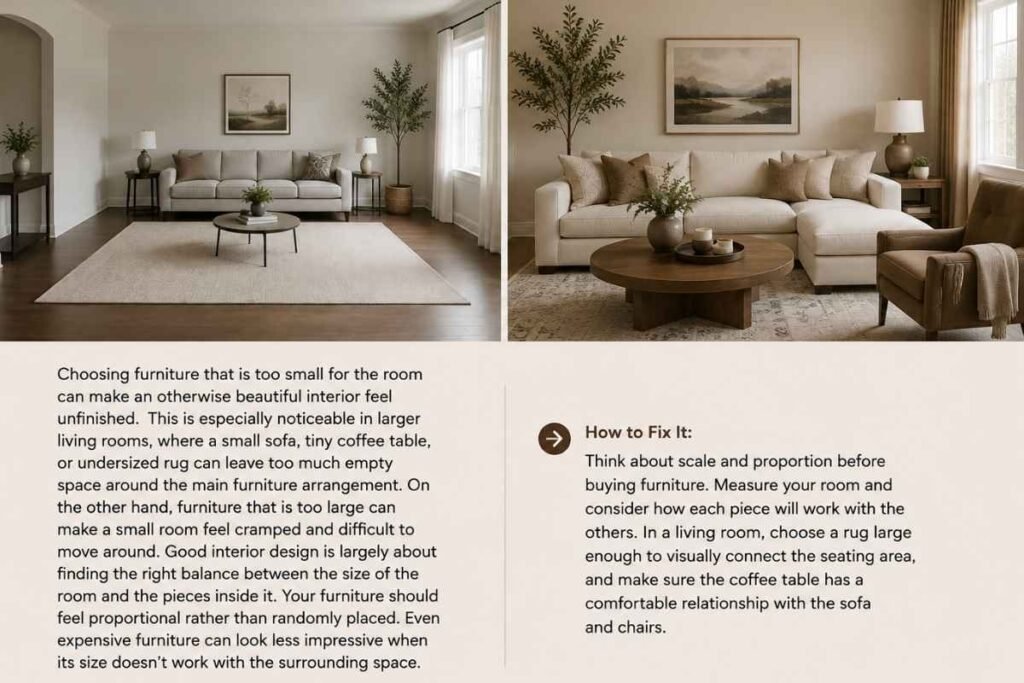
Good interior design is largely about finding the right balance between the size of the room and the pieces inside it. Your furniture should feel proportional rather than randomly placed. Even expensive furniture can look less impressive when its size doesn’t work with the surrounding space.
How to Fix It:
Think about scale and proportion before buying furniture. Measure your room and consider how each piece will work with the others. In a living room, choose a rug large enough to visually connect the seating area, and make sure the coffee table has a comfortable relationship with the sofa and chairs.
3. Hanging Artwork Too High
Artwork can completely change the personality of a room, but incorrect placement can make even beautiful wall decor look awkward. One common mistake is hanging artwork too high, especially above sofas, beds, console tables, or dining furniture. When there is a large empty gap between the furniture and the artwork, the two elements can feel disconnected.
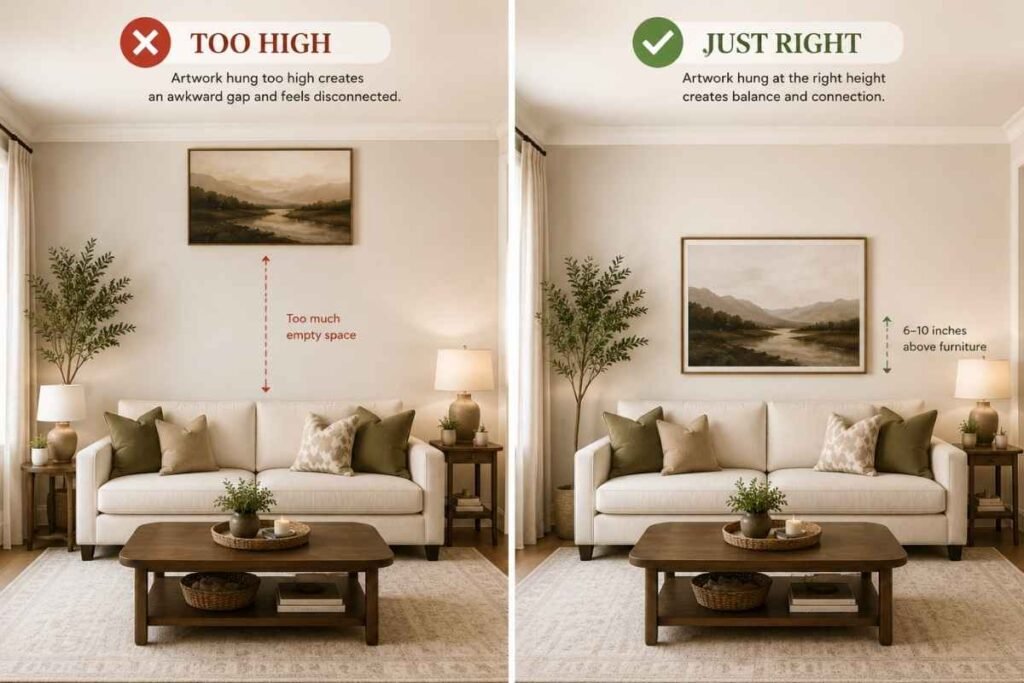
Artwork that is positioned too close to the ceiling can also make the walls look strangely proportioned. The goal is to create a visual relationship between the artwork and the furniture underneath it. Whether you prefer one large statement piece or a gallery wall, the placement should feel intentional and balanced rather than simply filling an empty wall.
How to Fix It:
Keep artwork visually connected to the furniture below it. Leave a comfortable amount of space between the two instead of creating a large empty gap. For gallery walls, arrange the frames as one composition and keep the spacing relatively consistent. A well-positioned piece of wall art can make the entire room feel more polished.
4. Overloading the Room With Decor
More decoration doesn’t always mean a more beautiful home. Filling every shelf, table, corner, and wall with accessories can quickly make a room feel crowded and visually overwhelming. Too many cushions, vases, frames, figurines, artificial plants, and small decorative objects can compete for attention instead of creating a cohesive look.
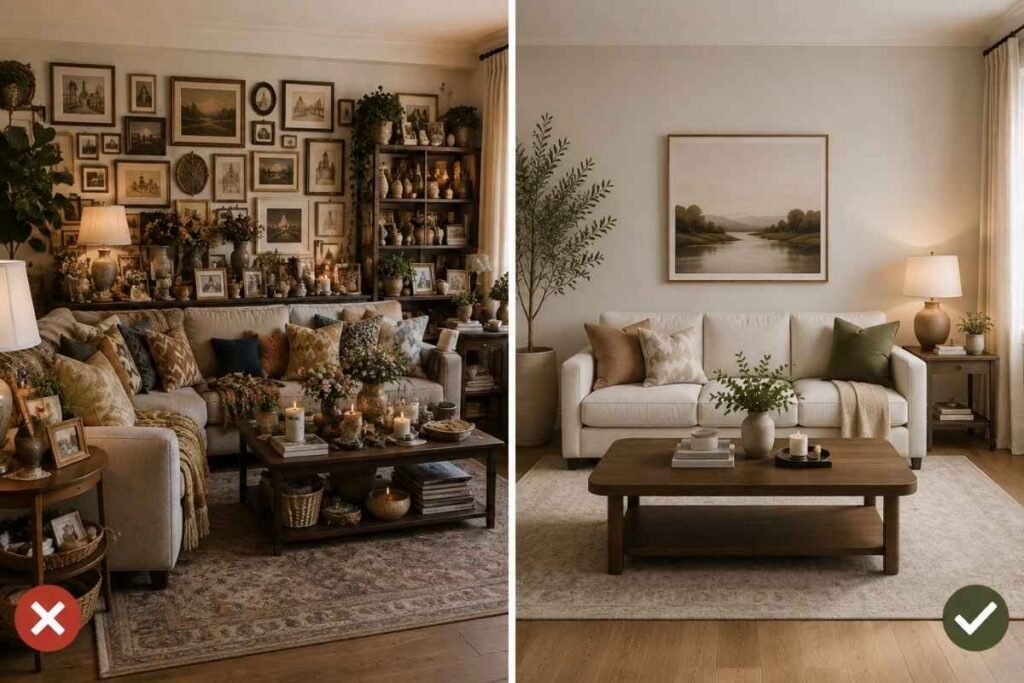
Stylish interiors often have something that many cluttered spaces lack: breathing room. Empty surfaces and uncluttered areas allow the most beautiful pieces to stand out. When everything is trying to become a focal point, nothing really feels special. A carefully edited room can actually look more expensive because it feels intentional rather than over-decorated.
How to Fix It:
Try the “less but better” approach. Remove a few accessories and keep the pieces that genuinely add beauty, function, texture, or personality. Instead of decorating every surface, create a few intentional focal points, such as a styled console table, a simple coffee table arrangement, or one statement artwork.
5. Ignoring Lighting
Lighting has a major influence on how a room looks and feels, yet it is often overlooked when decorating. A beautiful space can appear dull, harsh, or unfinished when it relies entirely on one bright ceiling light. Strong overhead lighting can create unflattering shadows and make a room feel less warm and inviting, especially in the evening.
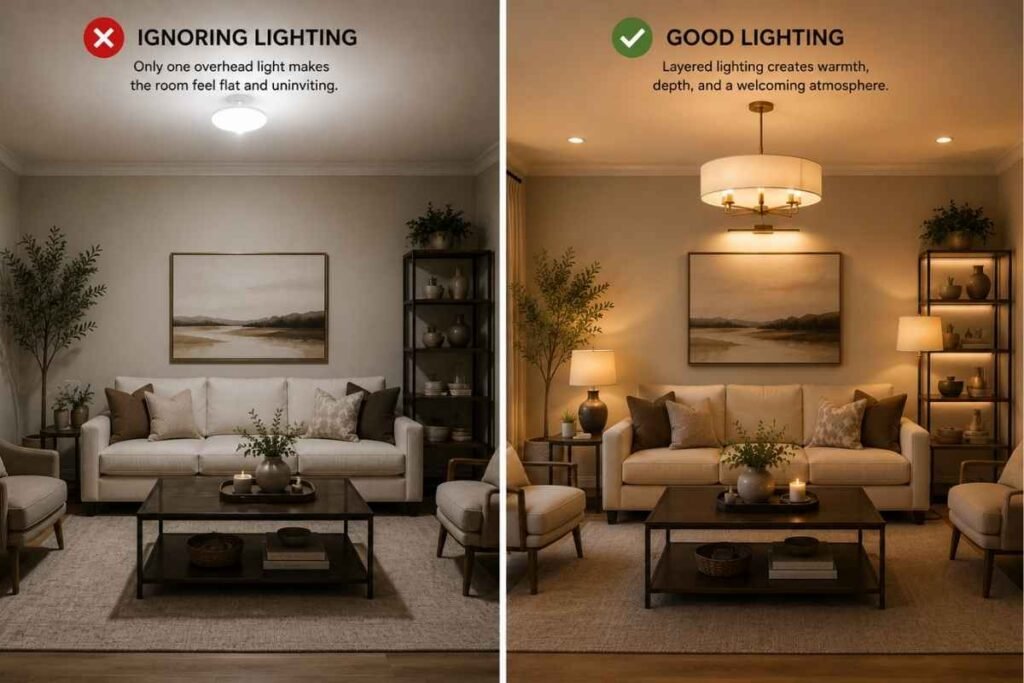
Good lighting should create layers and add depth rather than simply brighten the entire room. Different light sources can also highlight artwork, architectural features, furniture, or decorative areas. This is particularly important in living rooms and bedrooms, where a cozy atmosphere matters just as much as functionality.
How to Fix It:
Layer your lighting by combining overhead fixtures with table lamps, floor lamps, wall lights, or subtle accent lighting. Choose warm, comfortable light for relaxing spaces and position lights at different heights. This creates depth and makes the room feel more inviting and thoughtfully designed.
6. Using Cheap-Looking or Mismatched Accessories
Accessories may be small, but they can have a surprisingly big impact on the overall appearance of a room. When decorative pieces have completely different styles, finishes, or colors, the space can start to feel random rather than carefully styled.
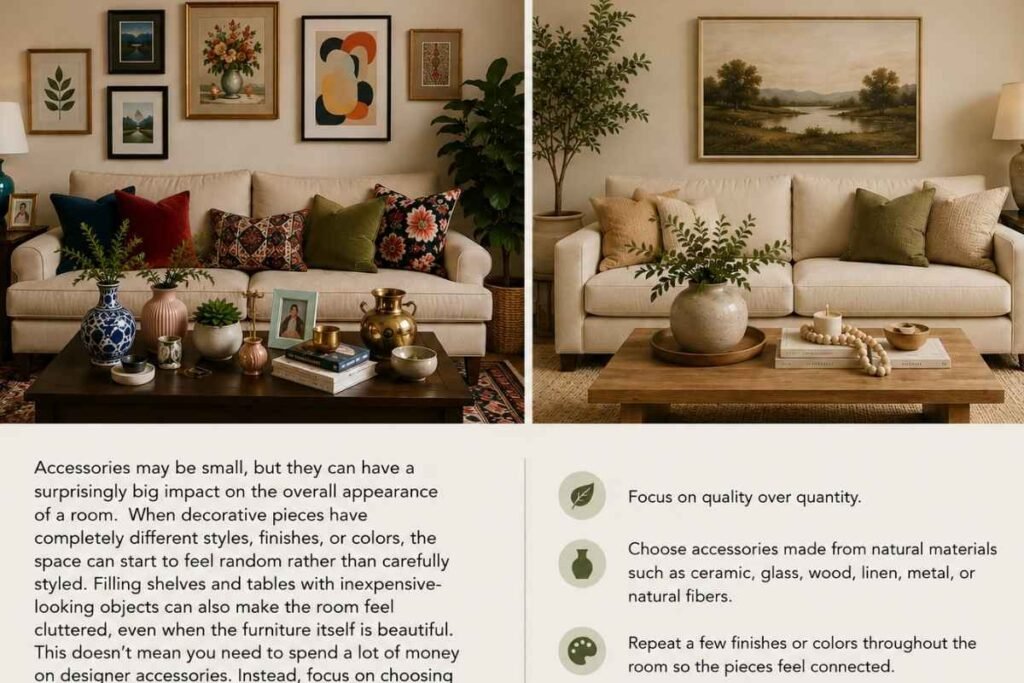
Filling shelves and tables with inexpensive-looking objects can also make the room feel cluttered, even when the furniture itself is beautiful. This doesn’t mean you need to spend a lot of money on designer accessories. Instead, focus on choosing fewer pieces with attractive shapes, timeless finishes, and interesting textures. Natural materials and simple designs often create a more sophisticated appearance than a large collection of unrelated decorative items.
How to Fix It:
Focus on quality over quantity. Choose accessories made from materials such as ceramic, glass, wood, linen, metal, or natural fibers. Repeat a few finishes or colors throughout the room so the pieces feel connected. A small selection of thoughtfully chosen accessories will usually look more polished than a crowded collection.
7. Forgetting About Window Treatments
Windows are often one of the most overlooked elements in home decor, but they can dramatically affect the overall appearance of a room. Bare windows or poorly fitted curtains can make an otherwise finished interior feel incomplete. Curtains that are too short can make the walls appear lower, while curtains hung directly above a small window can make the window look smaller than it actually is. Window treatments should complement the architecture of the room while adding softness and height.
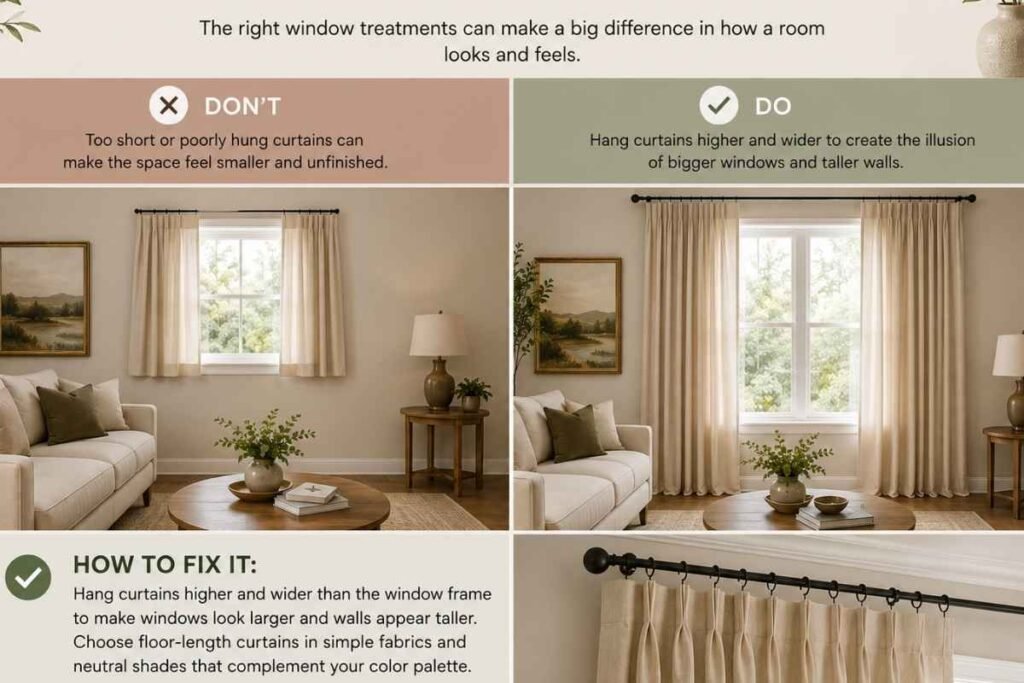
Even simple curtains can make a noticeable difference when they are properly sized and positioned. Choosing the right fabric and color can also help connect the windows with the rest of your decor.
How to Fix It:
When possible, hang curtains higher and wider than the window frame to create the appearance of taller, larger windows. Floor-length curtains usually create a more elegant finish. Choose simple fabrics and neutral shades that complement your existing color palette instead of competing with the rest of the room.
How to Make Your Home Look More Expensive
You don’t need to replace everything in your home to create a more expensive-looking interior. Start with the details that have the biggest visual impact. A cohesive color palette, well-proportioned furniture, properly sized rugs, and thoughtfully placed artwork can immediately make a room feel more balanced. Keeping surfaces relatively uncluttered also creates breathing room and allows your favorite pieces to stand out. Lighting is another important detail, so use multiple light sources instead of relying only on one ceiling fixture. Finally, mix textures such as wood, linen, ceramic, glass, and natural fabrics to add depth. These simple choices can make your home feel more polished and intentional without requiring a large decorating budget.
- Stick to a cohesive color palette instead of mixing too many unrelated shades.
- Choose furniture that fits the room and works well with the surrounding pieces.
- Use properly sized rugs and artwork to create better visual balance.
- Leave some breathing room instead of decorating every available surface.
- Layer your lighting to create warmth and depth.
- Mix different textures to make neutral spaces more interesting.
- Choose fewer, intentional accessories instead of filling shelves and tables.
- Hang curtains thoughtfully to create a taller, more polished look.
- Pay attention to proportions so furniture and decor feel balanced together.
Final Thoughts
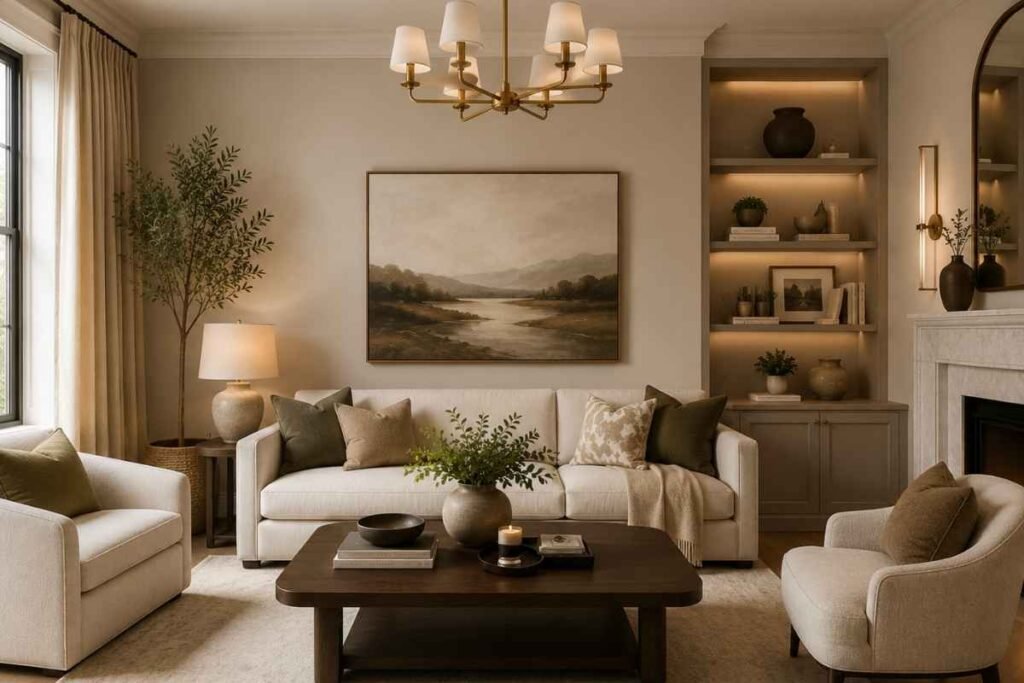
A beautiful home is less about how much you spend and more about how thoughtfully you decorate. Expensive furniture cannot always make a room look luxurious if the colors feel disconnected, the furniture is poorly proportioned, or every surface is covered with accessories. Small details such as lighting, artwork placement, window treatments, and the amount of decor you display can have a much greater effect than you might expect.
By simplifying your decor, choosing better proportions, creating a cohesive color palette, and giving your favorite pieces room to stand out, you can create a home that feels elegant, comfortable, and expensive-looking without a luxury budget. The goal isn’t to make your home look perfect—it’s to make every element feel intentional and beautifully connected.